

Staying Steady in the Flow: Preventing Hypoglycemia in Midlife
- Posted by Raven Meyers
- Date October 8, 2025
- Categories Metabolic Health, Type 2 Diabetes Support
When the Diagnosis Becomes a Doorway
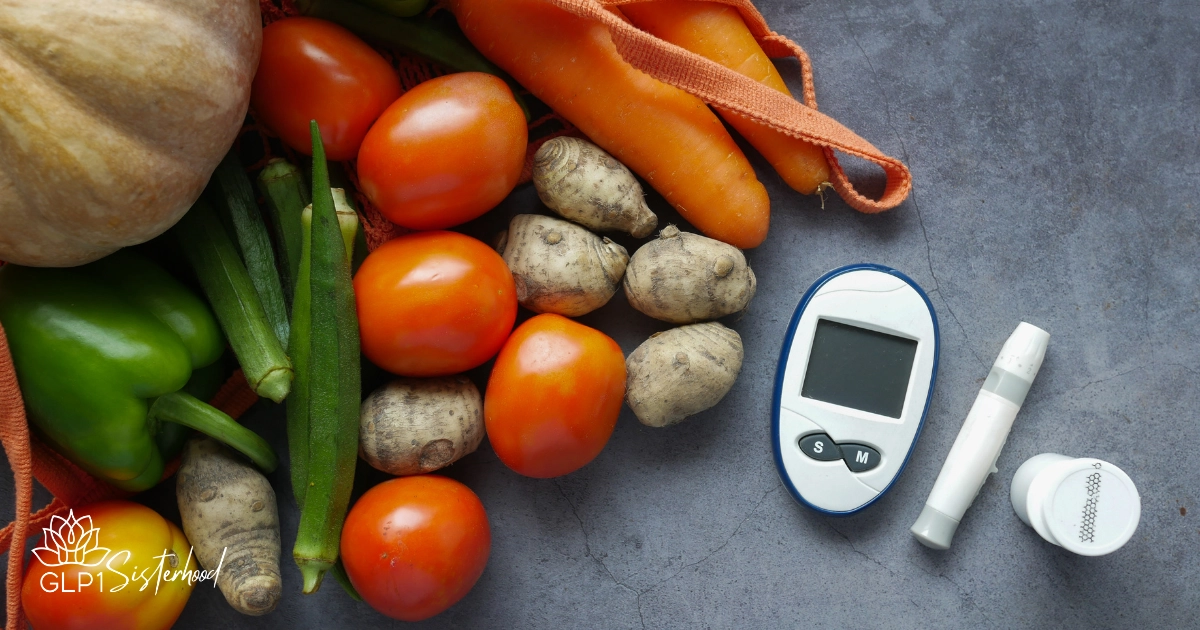
Midlife is a sacred threshold a passage where your body begins to whisper truths you once could overlook.
But when you first hear the words Type 2 diabetes, those whispers can feel like thunder.
At first, it’s disorienting, it was for me! the meal plans, the testing, the numbers that seem to rise and fall without warning. You may find yourself caught between caring for everyone else and trying to listen to your own body’s quiet cries for steadiness. Between work deadlines, caregiving, and the rhythm of family life, it can feel impossible to find time for your own nourishment.
There’s the morning rush: breakfast skipped, blood sugar dipping. The late-night worry. The guilt of “not doing enough.” The longing for balance in a world that constantly pulls you away from yourself.
Yet in time, something shifts. You begin to see that this diagnosis is not a punishment; it is an invitation.
A call to partnership with your body, not control, but collaboration.
As hormones shift and metabolism evolves, blood sugar balance becomes a sacred dance, one that asks not for perfection, but for presence. It invites you to slow down just enough to hear the rhythm your body keeps beneath the noise:
a rhythm that asks for nourishment, rest, compassion, and grace.
Preventing hypoglycemia, then, is no longer about fear or restriction; it becomes about relationship.
A steady, mindful partnership with your body’s wisdom, honoring her signals as you would a dear friend’s.
Midlife is a sacred threshold where your body speaks more softly yet more truthfully.
As hormones shift and metabolism evolves, blood sugar balance becomes a dance, a rhythm that asks for presence, nourishment, and grace.
Preventing hypoglycemia is not just about numbers; it’s about learning to live in steady partnership with your body, responding to her cues with tenderness and wisdom.
Morning Grounding: Begin with Nourishment and Calm

Start your day gently before rushing, emails, or caffeine. Midlife metabolism benefits from slow, stable energy.
- Eat within 30–60 minutes of waking. A balanced breakfast with complex carbs, protein, and healthy fats helps stabilize morning blood glucose.
Example: Greek yogurt with chia seeds, berries, and a sprinkle of cinnamon. - Hydrate before coffee. Dehydration amplifies glucose dips. Sip warm lemon water or herbal tea first.
- Add calm before action. A few deep breaths, gentle stretching, or a mindful intention can lower cortisol, your stress hormone that impacts blood sugar.
Balanced Meals: The Sacred Triad of Carbs, Protein, and Fat
Every meal is an opportunity to keep your blood sugar steady.
- Complex Carbohydrates: Choose slow-burning carbs like quinoa, lentils, oats, and root vegetables.
- Protein: Incorporate lean or plant-based proteins at every meal: chicken, tofu, beans, fish, eggs, or tempeh.
- Healthy Fats: Avocados, olive oil, nuts, and seeds help sustain energy.
- Fiber Focus: Fiber slows glucose absorption and enhances gut health. Include leafy greens, flaxseed, and colorful vegetables daily.
- Eat rhythmically: Don’t skip meals. Three balanced meals and one or two snacks are ideal for midlife women on glucose-modulating medications.
“Food is not a restriction—it is sacred fuel for the woman I am becoming.”
Midday Awareness: Prevent the Afternoon Dip
Many women experience a drop in blood sugar mid-afternoon, especially after lunch or long stretches of work without food.
- Plan a smart snack:
- Apple with almond butter
- Greek yogurt with walnuts
- Edamame or hummus with veggies
- Apple with almond butter
- Move with intention: A 10-minute walk after eating can support glucose metabolism without causing a sharp decline.
- Hydrate consistently: Aim for 64 oz of water daily, sipping between meals (not during), to aid digestion and glucose regulation.

Evening Harmony: Rest, Repair, and Rebalance
Evening is a sacred time to restore balance and prevent nocturnal dips.
- Eat a balanced dinner: Include a slow-digesting carb and protein such as salmon with quinoa and roasted vegetables.
- Avoid alcohol on an empty stomach. It can cause delayed hypoglycemia during sleep.
- Evening snack if needed: If you take insulin or certain oral medications, a small protein-carb snack (like a handful of mixed nuts or half a banana with peanut butter) before bed can prevent overnight lows.
- Wind down with ritual: Magnesium-rich herbal teas (chamomile, lemon balm) soothe the nervous system and reduce stress-related fluctuations.
Lifestyle & Wellness Practices for Daily Stability
- Prioritize Sleep: Aim for 7–8 hours. Poor sleep increases insulin resistance and sugar swings.
- Gentle Movement: Incorporate steady, low-impact activity, such as walking, yoga, swimming, or dance, which is especially beneficial during hormonal transition.
- Stress Regulation: Meditation, journaling, or breathwork can lower cortisol, helping prevent reactive lows after adrenaline surges.
- Track Your Patterns: Keep a “Blood Sugar Journal” noting meals, movement, mood, and stress. Patterns reveal how your body speaks.
- Partner with Your Provider: Adjust medications as your hormones shift. Midlife is dynamic; so too should your care plan be.

Nutritional Supplements That Support Glucose Stability
(Always consult your healthcare provider before starting any supplement.)
- Magnesium: Aids in glucose control and supports nerve health.
- Chromium: Helps improve insulin sensitivity.
- Vitamin D: Supports hormonal balance and insulin regulation.
- B Vitamins: Especially B6 and B12, which help stabilize mood and energy metabolism.
- Omega-3 Fatty Acids: Reduce inflammation and support cardiovascular health.

Emotional Wellness: Listening to the Wisdom of the Body
Low blood sugar can mimic anxiety, panic, or emotional overwhelm.
When you feel shaky, irritable, or foggy, pause. Ask gently:
“Is this hunger, fatigue, emotion, or glucose calling for attention?”
Reconnecting to the body’s whispers turns hypoglycemia prevention into a form of sacred self-trust.
Final Reflection
Preventing hypoglycemia is not about fear; it’s about rhythm.
It’s about creating a gentle structure that honors the ebb and flow of your midlife body, hormones, energy, and emotions.
Through nourishment, rest, and mindfulness, you cultivate equilibrium, the foundation of your healing and your becoming.

Soul to Soul Sisterhood™ is a sanctuary for midlife women and all who identify as women who are seeking steadiness, healing, and meaning in a modern world.
This is our foundational membership for women integrating weight loss, metabolic healing, emotional well-being, and spiritual grounding into everyday life. For those using GLP-1 medications, optional focused support is available through a dedicated pathway within the sisterhood.
This is not a space for urgency or perfection.
It is a place to arrive, to integrate, and to remain supported as life unfolds.

Raven Meyers is a wife and mother, a learning architect, Industrial design engineer and educator. The founder of Soul to Soul Sisterhood™, The Scrub Ninjas™, and EDTECH EDU™. For the last thirty years, she has been building spaces of learning, healing, and connection, guided by both lived experience and deep listening.
Her work is shaped by a rare convergence of disciplines, including holistic midwifery, Eastern medicine, instructional design, and global entrepreneurship. Through this integration, Raven creates environments that honor the body, calm the nervous system, and restore trust in the self, particularly for women navigating midlife transitions.
At the heart of her work is a devotion to women over forty who are ready to move beyond shame, urgency, and isolation. Through sisterhood, soulful practices, and evidence-based education, Raven supports women in reclaiming their relationship with their bodies, their health, and their inner wisdom.
Whether she is designing learning ecosystems, tending family life, or holding sacred circles, Raven brings steadiness, compassion, and integrity to all she creates.
You may also like


Willpower Is Not a Metabolic Strategy
Blood Sugar Swings Can Feel Like Mood Swings
https://youtube.com/shorts/0vzM33Pm8X4 Midlife Metabolic & Emotional Wisdom This short reflection explores how blood sugar instability can show up as irritability, anxiety, brain fog, crashes, and cravings. These experiences are often mistaken for personality or emotional failure, when they are frequently physiological …