
Why Women Lose Hair on GLP-1s and in Midlife—And How to Support Regrowth Naturally and Medically
- Posted by Raven Meyers
- Date October 27, 2025
- Categories Hair Loss
The Science Behind Hair Loss on GLP-1 Medications
GLP-1 receptor agonists like semaglutide (Ozempic, Wegovy) or tirzepatide (Mounjaro, Zepbound) can be life-changing for managing weight and metabolic health. But for many women, particularly those in midlife or perimenopause, a surprising and distressing side effect can appear: hair loss.
While GLP-1s themselves don’t directly cause follicle damage, several indirect mechanisms can trigger shedding:
- Rapid Weight Loss and Nutrient Deficiency
When the body loses weight quickly, it often experiences a temporary form of hair loss called telogen effluvium—a stress response that pushes hair follicles into a resting phase. - Protein and Iron: Both are critical for keratin production. Reduced appetite and protein intake can lead to suboptimal levels.
- Zinc, Selenium, and Biotin: These micronutrients support follicle strength and repair.
- B-vitamins (especially B12) and Vitamin D: Essential for cell turnover and scalp health.
- Metabolic Stress and Hormonal Fluctuations
Weight loss, caloric restriction, and improved insulin sensitivity all shift thyroid, cortisol, and estrogen balance. When estrogen drops (as in midlife), androgenic activity can increase—thinning hair around the temples or crown. - Inflammatory and Oxidative Stress
GLP-1s alter gut hormones and digestion. If detox pathways or microbiome balance are disrupted, inflammation may impact follicle health and mitochondrial energy production at the root level. - Medication Overlap or Thyroid Changes
Some women experience thyroid suppression or adjustments in thyroid hormone levels while on GLP-1s, which can also trigger temporary shedding.
Midlife, Menopause, and the Hair Connection
Even without GLP-1 medications, women in their 40s and 50s often experience thinner ponytails, receding hairlines, or slower growth.
This is largely due to:
- Declining Estrogen and Progesterone: These hormones support the hair’s anagen (growth) phase. As they wane, the growth cycle shortens and shedding increases.
- Higher Androgens: Hormonal imbalance can shrink follicles and lead to “miniaturized” hair—finer, weaker strands.
- Reduced Collagen Production: Less collagen means less structural support for follicles and scalp circulation.
- Chronic Stress: Elevated cortisol disrupts hair growth patterns and nutrient absorption.
Holistic and Medical Approaches to Support Hair Regrowth
Healing hair loss requires a multi-layered approach—addressing internal nutrient needs, hormonal harmony, and local follicle stimulation.
1. Nourish From Within
- Protein First: Aim for 80–100g daily from eggs, fish, lentils, tofu, or collagen peptides.
- Iron, Zinc, and Biotin: Ask your provider to test ferritin (ideal levels >70 ng/mL for hair growth). Supplement only if low.
- Vitamin D and B12: Deficiencies are common in midlife and on GLP-1s. Optimal vitamin D levels (50–80 ng/mL) support cell renewal.
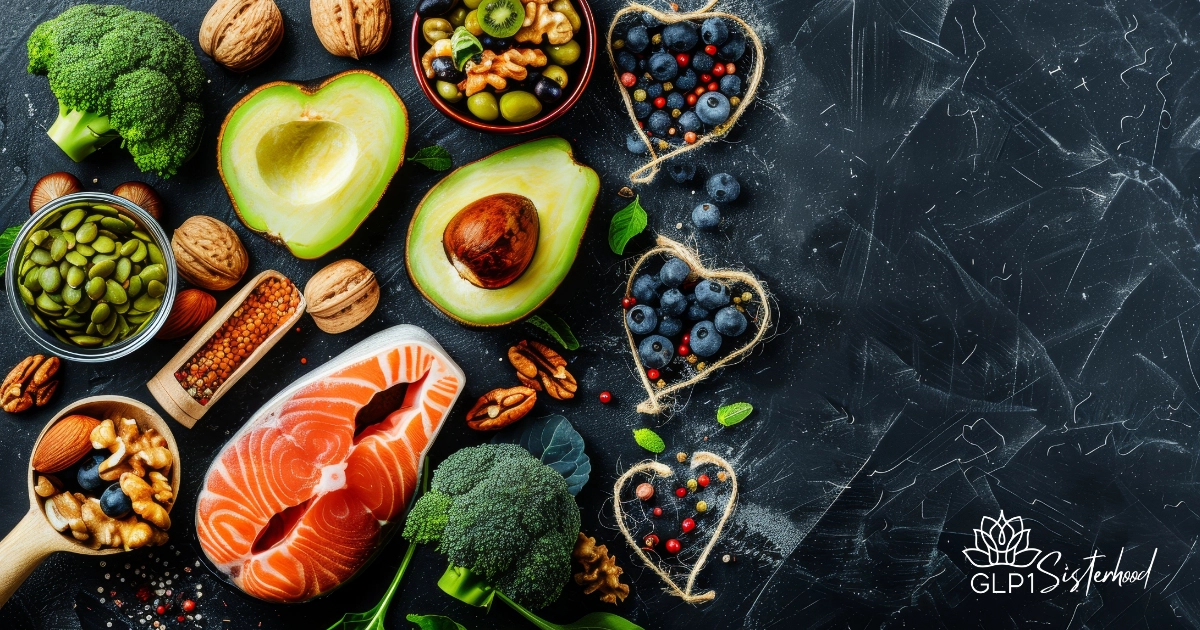
- Omega-3s: Found in salmon, flaxseed, and walnuts, these fats reduce follicular inflammation.
- Adaptogens: Ashwagandha, Rhodiola, and Holy Basil can help regulate cortisol and stress hormones that influence shedding.
2. Balance Hormones Gently
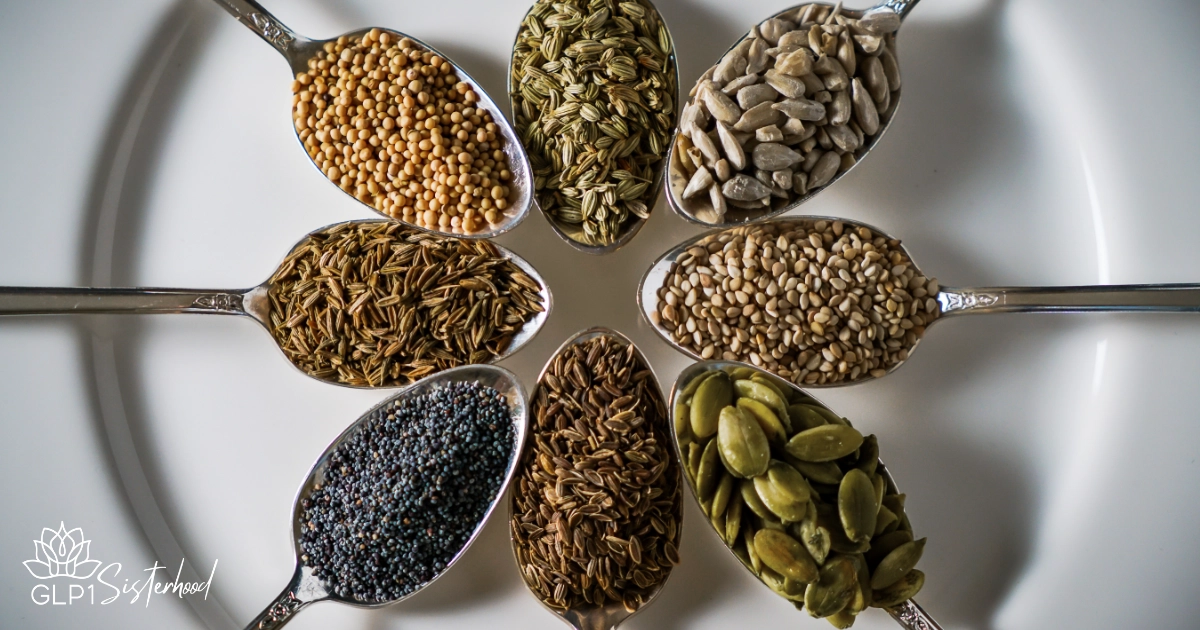
- Seed Cycling: Rotating flax, pumpkin, sunflower, and sesame seeds may help balance estrogen and progesterone naturally.
- Phytoestrogens: Foods like soy, tempeh, and red clover can modestly support estrogenic activity.
- Bioidentical or Low-Dose Hormone Therapy: For some women, under medical guidance, hormone replacement therapy (HRT) can restore thicker hair by stabilizing estrogen/testosterone ratios.
3. Support Scalp Circulation
- Massage and Micro needling: Weekly scalp massages increase blood flow and nutrient delivery. Micro needling enhances follicle stem cell activity when done properly.
- Essential Oils: Rosemary, peppermint, and lavender oils have been clinically shown to stimulate regrowth. Dilute with a carrier oil such as jojoba or argan.
- LED Red-Light Therapy: Scientifically proven to improve follicle density and hair shaft thickness by stimulating mitochondrial energy.
4. Targeted Medical and Clinical Treatments
- Topical Minoxidil (2–5%) remains the most studied treatment for female pattern hair loss.
- Platelet-Rich Plasma (PRP) Therapy uses your body’s growth factors to awaken dormant follicles.
- Low-Dose Oral Minoxidil (under physician care) is increasingly used for diffuse thinning in women.
- Thyroid and Hormone Testing: Comprehensive panels (TSH, free T3/T4, estradiol, progesterone, DHEA, testosterone) can identify imbalances that block regrowth.
5. Gut and Detox Pathways
Hair growth reflects inner health. A sluggish gut or liver can impair nutrient assimilation.
- Include fermented foods, fiber-rich vegetables, and bitters like dandelion root or ginger tea.
- Stay hydrated—follicles thrive in a well-oxygenated, well-hydrated system.
Hair loss can feel like a loss of vitality and femininity—but it’s also an invitation to listen deeply to your body’s evolution. Midlife and the GLP-1 journey both represent transformation: shedding the old, recalibrating metabolism, and discovering balance anew.
Healing begins not from panic or shame, but from nourishment, patience, and reconnection—to food, rest, and self-worth.
Affirmation: My body is not betraying me—it is inviting me to restore balance and nourish new growth from within.
Final Thought
Hair regrowth takes time—typically 3 to 6 months of consistent care before visible change appears. During that time, treat yourself as tenderly as you would a newly planted garden. Feed it. Water it. Let light in.
And remember: you’re not alone. In the Soul to Soul Sisterhood, we honor these midlife transitions together—with science, soul, and sisterhood as our guides.
Join the Soul to Soul Sisterhood to explore more on body wisdom, hormone harmony, and midlife vitality through our guided courses, holistic resources, and women’s circles.

Soul to Soul Sisterhood™ is a sanctuary for midlife women and all who identify as women who are seeking steadiness, healing, and meaning in a modern world.
This is our foundational membership for women integrating weight loss, metabolic healing, emotional well-being, and spiritual grounding into everyday life. For those using GLP-1 medications, optional focused support is available through a dedicated pathway within the sisterhood.
This is not a space for urgency or perfection.
It is a place to arrive, to integrate, and to remain supported as life unfolds.

Raven Meyers is a wife and mother, a learning architect, Industrial design engineer and educator. The founder of Soul to Soul Sisterhood™, The Scrub Ninjas™, and EDTECH EDU™. For the last thirty years, she has been building spaces of learning, healing, and connection, guided by both lived experience and deep listening.
Her work is shaped by a rare convergence of disciplines, including holistic midwifery, Eastern medicine, instructional design, and global entrepreneurship. Through this integration, Raven creates environments that honor the body, calm the nervous system, and restore trust in the self, particularly for women navigating midlife transitions.
At the heart of her work is a devotion to women over forty who are ready to move beyond shame, urgency, and isolation. Through sisterhood, soulful practices, and evidence-based education, Raven supports women in reclaiming their relationship with their bodies, their health, and their inner wisdom.
Whether she is designing learning ecosystems, tending family life, or holding sacred circles, Raven brings steadiness, compassion, and integrity to all she creates.