The Protein Pairing Method: A Simple GLP-1 Nutrition Strategy for Women Over 40
- Posted by Raven Meyers
- Date April 11, 2026
- Categories GLP-1 Support
A Gentle Strategy for Metabolic Stability in Midlife
Midlife brings a quiet recalibration of the body.
Hormones shift. Muscle mass naturally declines. Blood sugar becomes more sensitive to the rhythm of our meals. For many women navigating GLP-1 therapies such as Ozempic, Wegovy, or Zepbound, food begins to feel different. Appetite softens. Portions become smaller. And sometimes nourishment becomes easy to overlook.
This is where protein pairing becomes a powerful and compassionate practice.
Rather than focusing on restriction or rigid dieting, protein pairing simply means combining protein with carbohydrates, fruits, or starches so the body receives balanced fuel. For women in midlife, especially those using GLP-1 medications, this approach helps stabilize metabolism, support muscle preservation, and create steady energy throughout the day.
It is not about perfection.
It is about nourishment that works with the body.
Why Protein Matters More in Midlife
Beginning in our 40s and 50s, women gradually lose lean muscle mass through a process known as sarcopenia. Muscle is a metabolically active tissue, meaning it helps regulate blood sugar, insulin sensitivity, and resting metabolic rate.
When protein intake is too low, several things can happen:
- Muscle mass declines faster
- Blood sugar becomes less stable
- Hunger cues become irregular
- Weight loss may come from muscle rather than fat
GLP-1 medications can sometimes reduce appetite significantly, which may lead women to unintentionally eat too little protein.
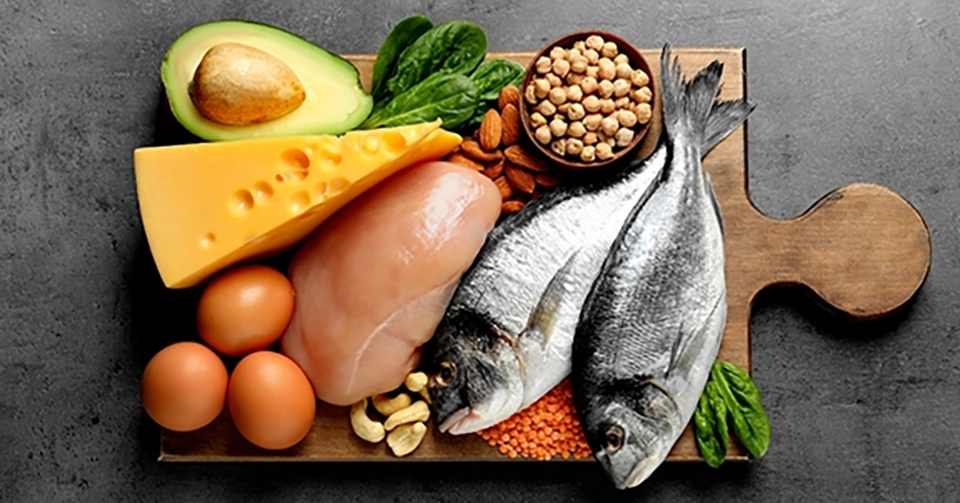
Protein pairing helps correct this by ensuring that every meal or snack contains a stabilizing source of amino acids.
How Protein Pairing Supports GLP-1 Metabolism
GLP-1 medications mimic the hormone glucagon-like peptide-1, which helps regulate appetite, insulin response, and gastric emptying.
Protein pairing complements this physiology in several ways.
1. Supports Blood Sugar Stability
When carbohydrates are eaten alone, blood sugar can rise quickly and fall just as fast. Pairing carbohydrates with protein slows digestion and helps prevent spikes and crashes.
For women with insulin resistance or Type 2 diabetes, this gentle stabilization can be transformative.
Examples include:
- Apple slices with almond butter
- Sweet potato with grilled salmon
- Berries with Greek yogurt
- Whole-grain toast with eggs
Each pairing allows the body to process glucose at a calmer pace.
2. Protects Lean Muscle During Weight Loss
Weight loss from GLP-1 therapies often occurs quickly during the first months. Without sufficient protein intake, the body may lose muscle along with fat.
Protein provides the amino acids necessary for:
- Muscle preservation
- Tissue repair
- Metabolic resilience
- Hormone production
Women on GLP-1 medications should often aim for 20–30 grams of protein per meal, though individual needs vary.
3. Improves Satiety Without Overeating
Protein naturally activates satiety hormones and helps the brain recognize that nourishment has occurred.
When protein is included in meals:
- Hunger becomes more predictable
- Cravings often decrease
- Emotional eating patterns soften
For many women, this brings a sense of calm around food.
4. Supports Energy and Mood Stability
Blood sugar fluctuations can influence mood, fatigue, and cognitive clarity. Protein pairing helps create steady energy throughout the day, preventing the mid-afternoon crash that many women experience.
Balanced nourishment supports both physiology and emotional well-being.
Gentle Protein Pairing Ideas for Midlife Women
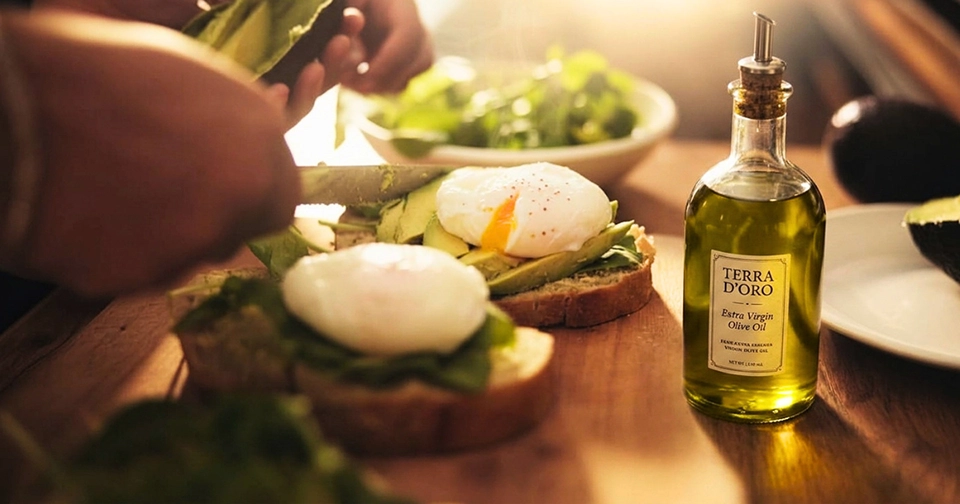
Here are a few balanced combinations:
Morning
- Protein shake with chia seeds and cinnamon
- Eggs with avocado and whole-grain toast
- Greek yogurt with berries and hemp seeds
Midday
- Grilled chicken over a tomato and olive oil salad
- Tuna with sliced cucumbers and olives
- Lentil soup with leafy greens
Afternoon Snack
- Apple with peanut butter
- Cottage cheese with pineapple
- Nuts with a small piece of fruit
Evening
- Roasted sweet potato with salmon
- Quinoa bowl with tofu and vegetables
- Turkey with steamed vegetables and olive oil
The intention is always the same: carbohydrate + protein + healthy fat when possible.
A Note for Women Navigating GLP-1 Side Effects
Some women experience nausea, slower digestion, or early fullness while adjusting to GLP-1 medications.
Protein pairing can help by focusing on:
- Smaller meals
- Soft protein sources like yogurt, eggs, or shakes
- Balanced portions rather than heavy plates
Listening to the body becomes an essential part of the process.

Final Reflection
Midlife is not a season of decline.
It is a season of metabolic wisdom.
Protein pairing is a simple practice that honors how the body changes with time. It supports muscle, stabilizes blood sugar, and creates a calmer relationship with food for women walking the path of metabolic healing.
Small choices, repeated with intention, create lasting transformation.
A Gentle Invitation
If you are navigating GLP-1 therapies, insulin resistance, or metabolic healing in midlife, you do not have to walk the path alone.
Inside Soul to Soul Sisterhood, women gather in thoughtful conversation about nourishment, nervous system healing, metabolic stability, and the deeper journey of caring for our bodies with compassion.
The door is open.
The light is on.
You belong.
Tag:GLP-1 support

Raven Meyers is a wife and mother, a learning architect, Industrial design engineer and educator. The founder of Soul to Soul Sisterhood™, The Scrub Ninjas™, and EDTECH EDU™. For the last thirty years, she has been building spaces of learning, healing, and connection, guided by both lived experience and deep listening.
Her work is shaped by a rare convergence of disciplines, including holistic midwifery, Eastern medicine, instructional design, and global entrepreneurship. Through this integration, Raven creates environments that honor the body, calm the nervous system, and restore trust in the self, particularly for women navigating midlife transitions.
At the heart of her work is a devotion to women over forty who are ready to move beyond shame, urgency, and isolation. Through sisterhood, soulful practices, and evidence-based education, Raven supports women in reclaiming their relationship with their bodies, their health, and their inner wisdom.
Whether she is designing learning ecosystems, tending family life, or holding sacred circles, Raven brings steadiness, compassion, and integrity to all she creates.
You may also like

What GLP-1 Support Actually Does in the Body